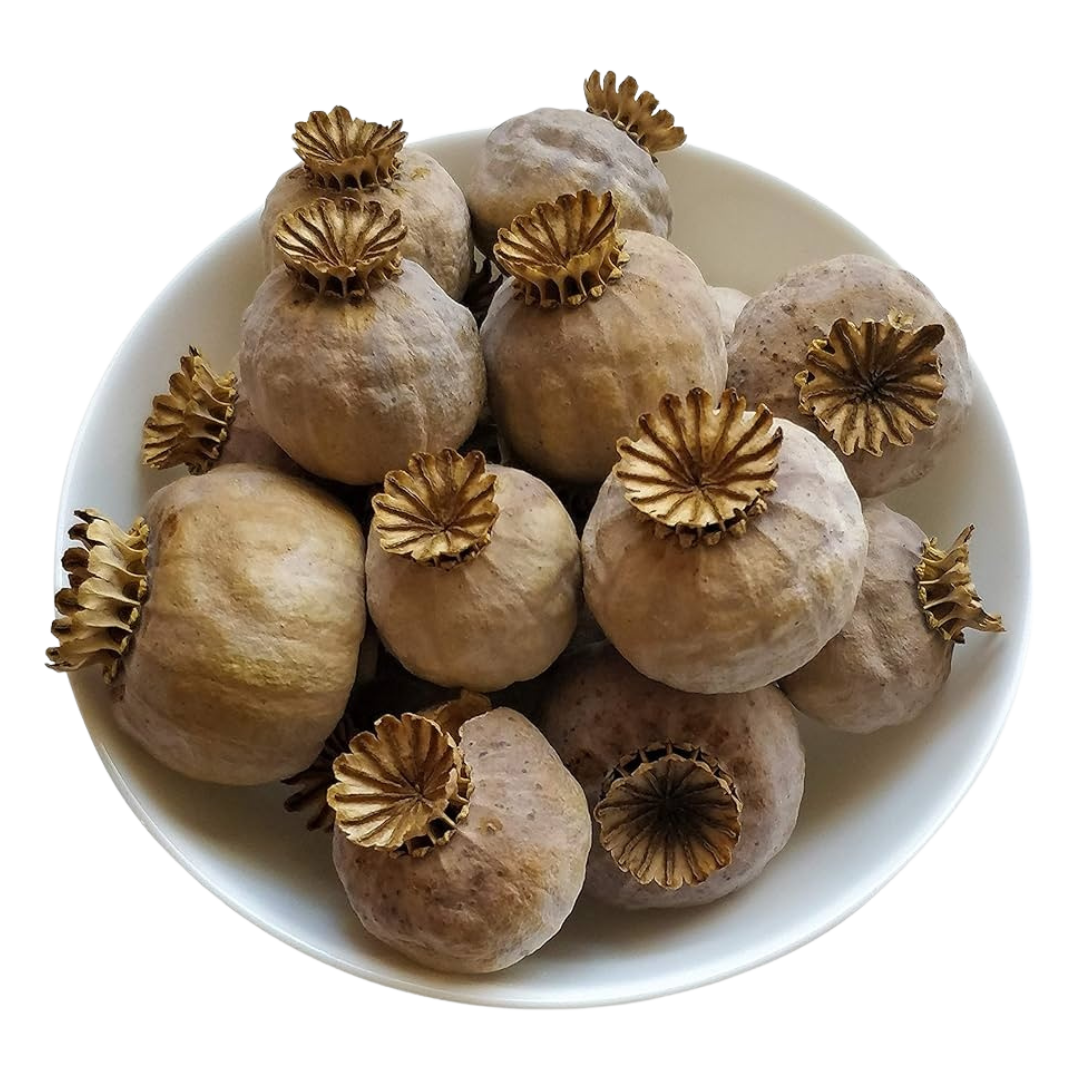
Ornamental Poppy Pods: A Beautiful and Versatile Addition to Your Garden and Crafts
Ornamental poppy pods are one of nature’s hidden gems. While the vibrant blooms of poppies often steal the spotlight, the seed pods that appear after the flowers have faded are equally captivating. These unique, textured pods can bring rustic elegance and natural beauty to both gardens and home décor. In this blog, we’ll explore the allure of ornamental poppy pods, how to grow and harvest them, and the many ways you can use them for crafting and decoration.
What Are Ornamental Poppy Pods?
Ornamental poppy pods come from various types of poppies, with the most popular being the Papaver somniferum (opium poppy) and Papaver orientale (oriental poppy). While these plants are often grown for their colorful, large blooms, the seed pods that follow are what many gardeners and crafters truly cherish. These pods, with their unique shapes and muted colors, serve as a beautiful accent to gardens and flower arrangements once the flowers have bloomed and faded.
The ornamental quality of poppy pods comes from their appearance: large, round, and sometimes elongated, with a slightly textured surface. Their colors range from light green to brown or tan, providing a natural, earthy touch to any setting.
How to Grow Ornamental Poppies
Growing ornamental poppies is a rewarding experience for both beginner and seasoned gardeners. Here’s how you can successfully cultivate these beautiful plants in your garden:
1. Choose the Right Variety
There are many different varieties of poppies that produce ornamental pods, with Papaver somniferum and Papaver orientale being the most common. Choose a variety that suits your climate and garden preferences.
- Papaver somniferum (opium poppy): Known for its striking blooms, this variety produces large seed pods that are perfect for ornamental use. Note that this plant may be regulated in certain areas due to its potential use in producing opium.
- Papaver orientale (oriental poppy): This variety is prized for its colorful flowers, often in shades of red, pink, or white. The ornamental pods it produces are similarly lovely and are a popular choice for decorative purposes.
2. Planting Poppies
Poppies thrive in well-drained soil and require full sunlight to grow successfully. Here are the steps for planting:
- Soil Preparation: Poppies prefer slightly alkaline soil, but they can adapt to a variety of soil types as long as the drainage is good. Prepare the soil by loosening it with a rake or garden fork and mixing in some organic compost to enrich it.
- Planting Time: Plant your poppy seeds in early spring or fall, depending on your climate. Poppies can be sown directly into the ground, as they don’t transplant well once they are established.
- Spacing: Space your seeds about 6–12 inches apart to give the plants room to grow. Poppies are relatively low-maintenance and do not require frequent watering once established.
3. Care and Maintenance
Once your poppies are planted, they require minimal care. They’re fairly drought-tolerant, though they do benefit from occasional watering during dry spells. Remove any weeds that may compete for nutrients, and deadhead spent flowers to encourage new growth.
Harvesting Ornamental Poppy Pods
One of the main reasons gardeners grow ornamental poppies is for their seed pods, which are a stunning addition to any home décor. To harvest the pods, follow these steps:
1. Wait for the Pods to Mature
After the poppies bloom and the petals fall off, the plant will begin producing seed pods. Wait until the pods are fully mature but before they open to harvest them. Mature pods are firm, dry, and a light brown or tan color. If they start splitting open, it will be too late to collect the seeds.
2. Harvesting the Pods
Using a pair of sharp garden shears or scissors, carefully cut the pods from the plant. Leave a short stem attached to each pod to make it easier to handle. Handle the pods with care, as they can be fragile and may crack or break if not handled gently.
3. Drying the Pods
After harvesting the pods, hang them upside down in a dry, well-ventilated space to dry. A shed, garage, or porch is ideal. Make sure they are not in direct sunlight, as this can cause the pods to fade or shrink. Allow the pods to dry for about 2 to 3 weeks before using them in crafts or decorations.
Using Ornamental Poppy Pods in Crafts and Home Décor
Ornamental poppy pods are incredibly versatile and can be used in a variety of ways to add rustic charm and texture to your home. Here are some ideas for incorporating them into your décor:
1. Floral Arrangements
Ornamental poppy pods make a stunning addition to dried floral arrangements. Their muted colors and unique shapes add texture and interest to bouquets, centerpieces, and wreaths. Combine them with other dried flowers like lavender, wheat, or eucalyptus for a natural, earthy look.
2. Wreaths and Garlands
Use ornamental poppy pods to create a beautiful wreath or garland. You can either string them together using twine or glue them onto a wire frame to form a rustic wreath. Add seasonal touches such as pinecones, acorns, or evergreen sprigs for a holiday-ready design.
3. Table Centerpieces
Poppy pods can serve as the focal point in a table centerpiece. Arrange them in a shallow bowl or vase, either alone or mixed with other natural elements like pine needles or acorns. This simple yet elegant centerpiece works beautifully for both casual and formal settings.
4. Crafting Projects
If you enjoy crafting, ornamental poppy pods are a fantastic material for DIY projects. Use them to create unique jewelry, add them to scrapbooks, or even make handmade cards by gluing a pod onto the card for an added texture. You can also paint or decorate the pods for a more personalized touch.
5. Holiday Decorations
Ornamental poppy pods can be incorporated into seasonal décor, especially during the fall and winter months. Use them to create Thanksgiving table settings, Christmas tree ornaments, or even hang them in a decorative basket as part of a cozy winter display.
Saving Poppy Seeds for Next Year
If you want to grow more ornamental poppies next year, harvesting and saving the seeds is easy. Simply collect the seeds from the pods once they’ve dried. Gently shake the pods, and the seeds will fall out. Store the seeds in an airtight container, and keep them in a cool, dry place until it’s time to plant again.
Conclusion
Ornamental poppy pods offer a wealth of beauty and versatility to any garden or home. Not only do these pods enhance the visual appeal of gardens with their unique textures and shapes, but they can also be used in various crafts and décor projects, from floral arrangements to holiday wreaths. With just a little care in growing, harvesting, and drying, you can enjoy the natural charm of ornamental poppy pods year-round. Whether you’re looking to add a rustic touch to your living room or create handmade gifts, these pods are a wonderful and timeless material to work with.