Educational overview of the poppy seed pod (Papaver somniferum capsule)
What Is a Poppy Seed Pod? Botanical Guide to the Opium Poppy Capsule
The poppy seed pod (also called the poppy capsule) is the fruit of the opium poppy, Papaver somniferum. After the distinctive four-petaled flower fades, the ovary develops into a rounded or egg-shaped capsule that contains hundreds of tiny seeds. This structure is the defining feature that distinguishes the plant from other ornamental poppies.
Botanical description of the poppy seed pod
- Shape and size: Typically 1–5 cm long, spherical to oblong, often with a flattened top.
- Surface: Smooth or slightly ribbed, green when immature, turning brown and dry at maturity.
- Crown: A distinctive flat, rayed disc (the stigma remnants) sits on top of the pod. This is a key identifying feature of Papaver somniferum.
- Interior: Divided into chambers that hold the small, kidney-shaped seeds. When fully ripe the capsule develops pores or slits under the crown through which seeds are released (poricidal dehiscence). poppy seed pod
The plant itself is an annual that grows 30–150 cm tall, with lobed bluish-green leaves and large flowers in white, pink, red, or purple. The seed pod develops only after successful pollination.
Life cycle from flower to mature seed pod
- Flowering occurs in late spring to early summer.
- Petals drop within a few days.
- The ovary swells rapidly into the green capsule.
- Seeds mature inside over several weeks.
- The pod dries, turns brown, and releases seeds.
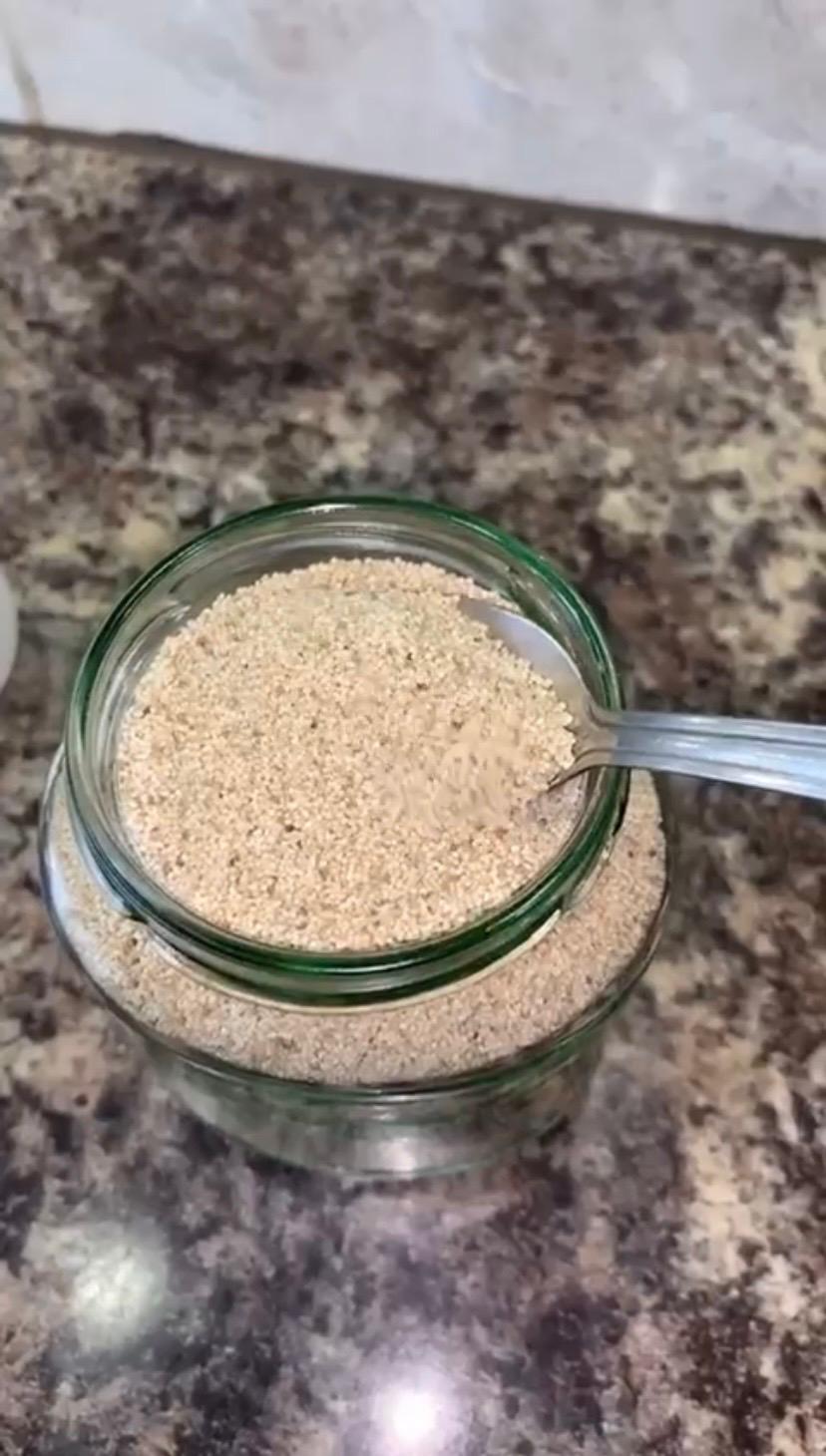
Poppy seeds themselves are the only part commonly used in food. They are tiny (about 1 mm), range in color from white to blue-gray or black, and have a mild nutty flavor.
Culinary and nutritional uses of the seeds (not the pod)
Poppy seeds are widely used in baking (bagels, cakes, pastries, breads), as a spice in some cuisines, and for oil production. They contain healthy fats, protein, fiber, and minerals such as calcium, magnesium, and iron. Commercially available culinary poppy seeds are washed and processed so that residual alkaloid levels are extremely low and considered safe for food use in regulated markets.
The dried seed pod itself has no established culinary role and is not sold as a food ingredient in legitimate channels.
Historical and cultural notes
Papaver somniferum has been cultivated for thousands of years. Archaeological evidence shows use of the plant in the Mediterranean and Near East for both seeds and the latex of the unripe capsule. In traditional medicine systems the plant appeared in various pharmacopeias, but modern controlled-substance laws have tightly restricted non-seed uses. Ornamental varieties with large, showy flowers and decorative seed heads are still grown in gardens where local law permits.
Critical legal information (must be included on any educational page)
- In the United States, the Controlled Substances Act and DEA regulations treat the opium poppy (Papaver somniferum) and its capsules as controlled. Growing the plant with the intent to produce opium or related alkaloids is illegal. Possession of the dried pods can also raise legal issues depending on quantity and context.
- Many other countries (United Kingdom, Australia, Canada, most of the EU, etc.) similarly prohibit cultivation for alkaloid production and may restrict or ban the dried capsules.
- Culinary poppy seeds are generally legal to buy and use as food.
- Laws vary by jurisdiction and change over time. Anyone considering growing any Papaver somniferum variety should check current national, state/provincial, and local regulations. Ornamental cultivation is sometimes tolerated in limited quantities with no intent to extract latex, but this is never guaranteed. poppy seed pod
This page provides botanical and historical education only. It does not discuss, describe, or endorse any extraction, processing, or consumption of the latex or alkaloids from the seed pod.
Common questions answered
Is every poppy seed pod from an opium poppy?
No. Many garden poppies (Papaver rhoeas, Papaver orientale, Papaver nudicaule, etc.) produce seed pods that look somewhat similar but contain negligible or no morphine-type alkaloids. Only Papaver somniferum is the true opium poppy.
Can I buy dried poppy seed pods?
Dried capsules appear in some craft or dried-flower markets. Legality depends entirely on local controlled-substance rules. In many places their sale or possession is restricted.
Are poppy seeds safe to eat?
Yes, when purchased as food-grade seeds from reputable suppliers. They are a traditional ingredient in many cuisines.