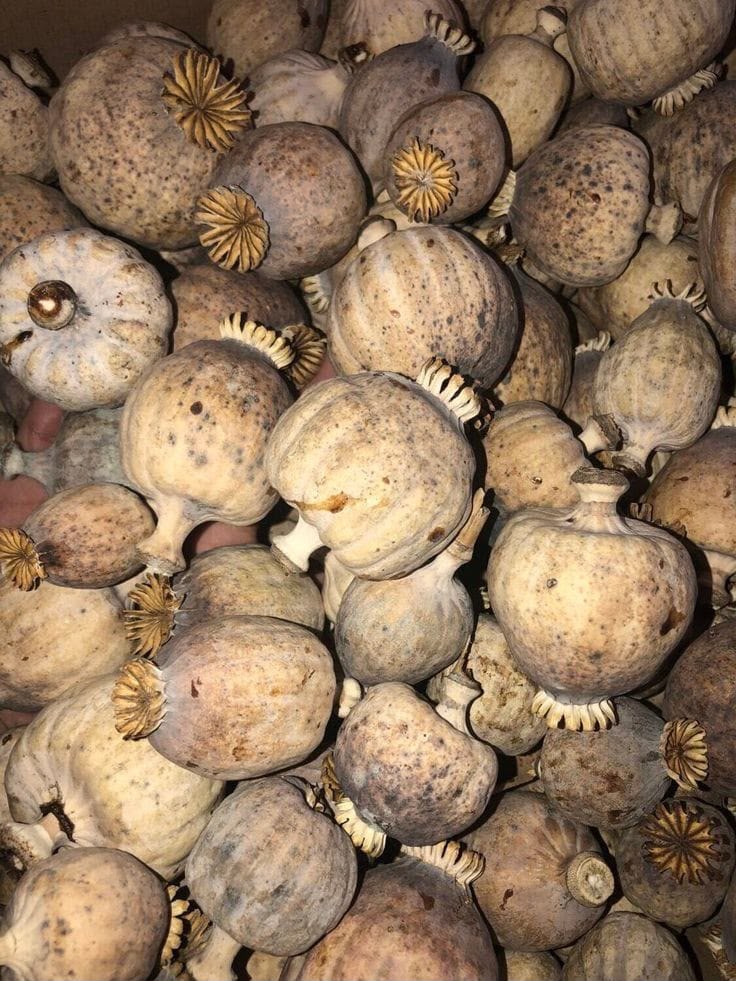
buy dried poppy pods los angeles
The California poppy is California’s official state flower. It is a cheerful, drought-tolerant wildflower with silky orange, yellow, red, or cream blooms. Unlike opium poppies (Papaver somniferum), it contains no narcotic alkaloids and is completely legal to grow.
It is easy, low-maintenance, and thrives in the Mediterranean climate of California, including the Los Angeles area.
1. Botanical Basics
- Type: Hardy annual (sometimes short-lived perennial in mild coastal or southern California climates)
- Height: 12–18 inches (30–45 cm)
- Bloom time: Late winter through early summer (peak March–May in most of California); can rebloom with cool weather or light water
- Flower colors: Classic golden-orange, plus yellow, red, pink, white, and bicolor cultivars
- Native range: California, Oregon, Baja California, and parts of the Southwest buy dried poppy pods los angeles
2. Climate & Hardiness
California poppies love mild winters and dry summers.
- Best in USDA Zones 6–10
- In Southern California (including Los Angeles, Orange County, San Diego): plant in fall for winter/spring bloom
- In Northern California or colder inland areas: plant in early spring
- They tolerate light frost but die back in hard freezes
- Full sun is essential (at least 6–8 hours daily). They will not flower well in shade.
3. Soil Requirements
They prefer poor to average soil. Rich, heavily amended soil produces lush foliage but fewer flowers.
Ideal conditions:
- Well-draining sandy, loamy, or rocky soil
- pH 6.0–8.0 (slightly acidic to slightly alkaline)
- Avoid heavy clay unless you amend heavily with sand or gravel
- No need for compost or fertilizer at planting
In Los Angeles-area gardens with clay soils, mix in coarse sand or plant on a slight slope or raised bed for drainage.
4. Planting
Best method: Direct sow seeds. Transplants are possible but often struggle because of the long taproot. buy dried poppy pods los angeles
Timing:
- Coastal Southern California & Los Angeles basin: September–November (fall sowing gives the strongest spring display)
- Inland valleys & deserts: October–early December or February–March
- Northern California: February–April
How to sow:
- Rake the soil lightly to create a fine seedbed.
- Scatter seeds thinly (they are tiny).
- Barely cover with ⅛ inch of soil or simply press them in.
- Water gently once to settle.
- Keep the surface moist until germination (7–14 days in cool weather).
Spacing: Thin seedlings to 6–12 inches apart. They look best in drifts or mass plantings rather than single plants.
Seed rate: About ¼ ounce covers 100 square feet for a natural meadow look.
5. Watering
- Water regularly only until plants are established (first 3–4 weeks).
- Once established, they are extremely drought-tolerant.
- In Los Angeles and most of California, winter rains are usually enough.
- Supplemental water in spring can extend the bloom period, but too much water causes floppy growth and fewer flowers.
- Stop watering once the plants begin to go dormant in summer heat.
6. Fertilizer & Care
- Almost never fertilize. Excess nitrogen reduces flowering.
- Mulch lightly with gravel or coarse organic matter only if needed for weed control; keep mulch away from the crowns.
- Deadhead spent flowers if you want to prolong blooming and reduce self-seeding.
- Allow some seed pods to mature if you want natural reseeding the following year. buy dried poppy pods los angeles
7. Pests & Diseases
California poppies are remarkably trouble-free.
- Occasional aphids or thrips (hose off or use insecticidal soap)
- Snails/slugs may nibble young seedlings
- Root rot only occurs in poorly drained soil
- Powdery mildew is rare but can appear in very humid coastal fog zones
Deer and rabbits usually leave them alone.
8. Harvesting & Saving Seeds
Pods turn from green to tan/brown when ripe. Collect before they shatter.
Store dry seeds in a cool, dark place; they remain viable for several years.
Self-seeding is reliable in most California gardens—plants often return year after year.
9. Recommended Varieties
- Wild-type / Orange: Classic bright orange
- Mission Bells or Thai Silk series: Mixed colors, ruffled petals
- Red Chief, Purple Gleam, Ivory Castle: Specific color forms
- Alba: Pure white
- Double-flowered cultivars exist but are less common and sometimes less vigorous
10. Tips Specific to California / Los Angeles Area
- Fall sowing works exceptionally well because of the cool, rainy winters.
- In the Los Angeles basin, plant on slopes, parkways, or neglected corners where irrigation is minimal.
- Combine with other California natives (e.g., lupine, tidy tips, clarkia, buckwheat) for a natural spring wildflower meadow.
- Avoid overwatering from automatic sprinklers—California poppies resent constant moisture.
- In very hot inland valleys (e.g., San Fernando, San Gabriel), afternoon shade can help extend the bloom a bit longer.
Common Mistakes to Avoid
- Planting in rich, heavily amended soil
- Overwatering once established
- Starting seeds indoors too early and disturbing the taproot
- Expecting them to bloom in partial shade
California poppies are one of the easiest and most rewarding wildflowers you can grow in the state. With almost no care after the first few weeks, they deliver weeks of bright color and attract bees and other pollinators. Once you have them in the garden, they often become permanent residents through natural reseeding. buy dried poppy pods los angeles