Premium Large Dried Poppy Pods: A Complete Guide to Timeless Botanical Decor
Premium large dried poppy pods have become a favored element in modern and traditional home styling. Their distinctive round seed heads, muted earthy tones, and architectural form bring natural texture and quiet elegance to interiors. Whether used in simple vase arrangements, mixed dried bouquets, or seasonal displays, these pods offer lasting visual interest without the maintenance of fresh flowers. Premium large dried poppy pods
This guide explores what makes premium large dried poppy pods special, how they are typically prepared and selected, the many ways they enhance décor, and practical tips for styling and care. The focus remains on their botanical and decorative value.
Understanding Premium Large Dried Poppy Pods
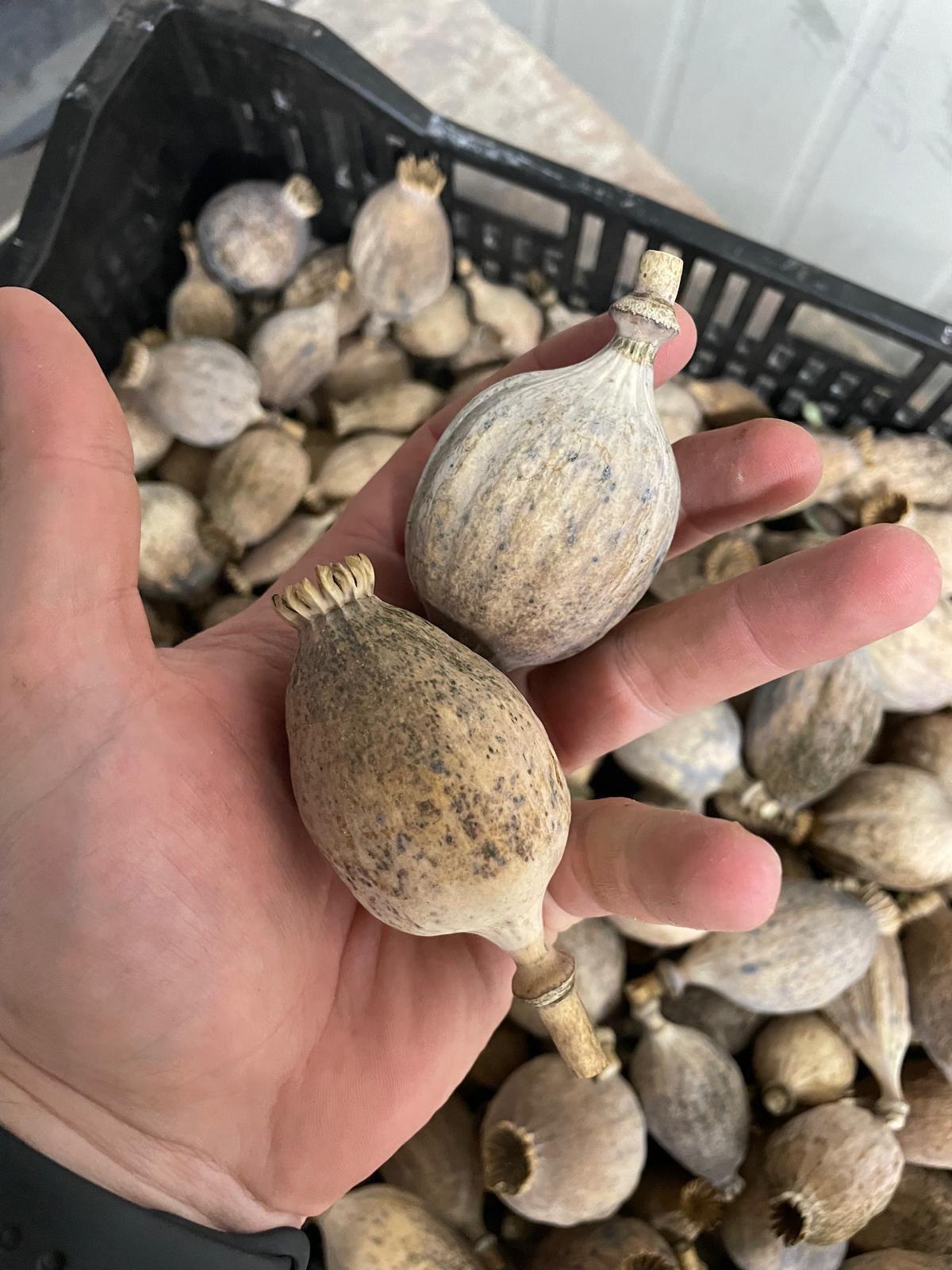
Poppy pods form after the flower petals fall from Papaver species. Once mature, the seed heads dry naturally on the plant or are carefully harvested and air-dried. “Premium large” refers to pods that are carefully selected for size, shape integrity, and uniform drying. Larger pods (often several centimeters in diameter) create stronger visual impact than smaller or irregularly dried specimens.
High-quality dried pods retain a clean, matte surface, intact structure, and natural coloration ranging from soft taupe and silvery gray to warm beige or light brown. They are lightweight yet sturdy enough for long-term display. Because they are fully dried, they require no water and remain stable for months or years when kept in suitable conditions. Premium large dried poppy pods
These botanical elements fit seamlessly into a range of interior styles—rustic farmhouse, minimalist Scandinavian, modern organic, and classic European—making them versatile for both residential and commercial spaces.
Why Choose Large Premium Specimens
Size and consistency matter in dried botanical design. Larger pods provide better scale in arrangements and photograph more effectively for styling. Premium selection usually means:
- Uniform diameter and shape across a batch
- Minimal surface blemishes or cracks
- Thorough, even drying that prevents mold or residual moisture
- Clean stems of usable length for arranging
These qualities reduce waste and create polished results whether the pods are used alone or combined with other dried materials such as grasses, seed heads, or preserved foliage. Larger pods also hold their form better over time, resisting the slight shrinkage or warping sometimes seen in lower-grade product.
Decorative and Styling Uses
Dried poppy pods excel in several applications:
Simple vase displays
A handful of large pods in a ceramic, glass, or metal vessel creates an understated focal point. Their rounded silhouettes catch light softly and add quiet structure to shelves, console tables, or mantelpieces. Premium large dried poppy pods
Mixed dried bouquets
Combine premium large pods with pampas grass, bunny tails, wheat, eucalyptus, or dried roses for textured, long-lasting arrangements. The pods’ rounded form contrasts beautifully with linear or feathery elements.
Wreaths and wall hangings
Pods can be wired or glued onto wreath bases for autumn and winter décor. Their neutral palette pairs well with both warm and cool color schemes.
Tablescapes and event styling
Scattered or clustered pods work well as low-profile centerpieces or place-setting accents. They suit rustic weddings, harvest dinners, and minimalist gatherings where fresh flowers would be impractical.
Craft and DIY projects
Larger pods are useful for botanical art, shadow boxes, and seasonal crafts. Their sturdy structure holds paint or metallic finishes if a more customized look is desired.
Because they are already dried, these pods travel well and remain usable across multiple seasons, offering better longevity than many fresh or partially dried alternatives.
Historical and Symbolic Context
Poppies have carried cultural meaning for centuries. In many traditions they symbolize remembrance, sleep, and the fleeting nature of beauty. The distinctive seed heads appear in still-life paintings and botanical illustrations from earlier centuries, valued for their geometric form as much as for the flowers that precede them.
In contemporary interiors the pods are appreciated primarily for their sculptural quality rather than symbolic weight. Their quiet presence suits spaces that favor natural materials and restrained color stories.
Selecting and Evaluating Quality
When choosing premium large dried poppy pods, consider these practical points:
- Size consistency – Look for pods of similar diameter so arrangements appear intentional.
- Stem condition – Longer, unbroken stems offer more flexibility for cutting and positioning.
- Surface appearance – Premium pods should feel dry to the touch with an even matte finish and no soft spots.
- Color – Natural variation is expected; overly uniform artificial coloring can look less authentic.
- Packaging and storage history – Product that has been stored in dry, dark conditions tends to maintain better color and structure.
Buying from suppliers who clearly describe size ranges and drying methods helps ensure the product matches expectations for decorative use.
Care and Longevity Tips
Dried poppy pods need minimal upkeep:
- Keep them away from high humidity and direct moisture.
- Avoid prolonged direct sunlight, which can fade natural tones over time.
- Dust gently with a soft brush or compressed air when needed.
- Store unused pods in a cool, dry place in breathable packaging if not immediately displayed.
With basic care, a well-selected batch can remain attractive for several years. Their low-maintenance nature makes them practical for busy households, offices, and hospitality settings.
Integrating Dried Pods into Seasonal and Year-Round Décor
In autumn and winter the pods’ muted palette complements seasonal color stories of ochre, rust, and deep green. In spring and summer they provide neutral structure alongside lighter florals or fresh greenery. Many designers keep a core collection of large pods as a reusable foundation, refreshing only the accompanying elements as seasons change.
They also work well in commercial environments—boutiques, restaurants, and studios—where consistent, long-lasting botanical accents are preferred over frequent floral replacements.
Sustainability and Practical Advantages
Dried botanicals reduce the need for frequent replacement associated with cut flowers. Once harvested and properly dried, the pods require no water, refrigeration, or ongoing care beyond occasional dusting. This efficiency appeals to those seeking lower-impact décor options that still deliver strong visual presence.
Their lightweight nature also simplifies shipping and handling compared with heavier or more fragile decorative objects.
Final Thoughts on Premium Large Dried Poppy Pods
Premium large dried poppy pods offer a refined, enduring way to introduce natural form and texture into interior spaces. Their architectural seed heads, neutral tones, and structural integrity make them a reliable choice for both everyday styling and special occasions. When selected for size, dryness, and consistency, they deliver polished results with almost no ongoing maintenance.
Whether arranged simply in a single vessel or incorporated into more complex dried compositions, these pods provide quiet elegance that ages gracefully. For anyone building a collection of lasting botanical elements, carefully chosen large dried poppy pods remain a practical and aesthetically rewarding addition.
By focusing on quality, thoughtful placement, and basic care, homeowners and designers can enjoy their distinctive presence season after season.