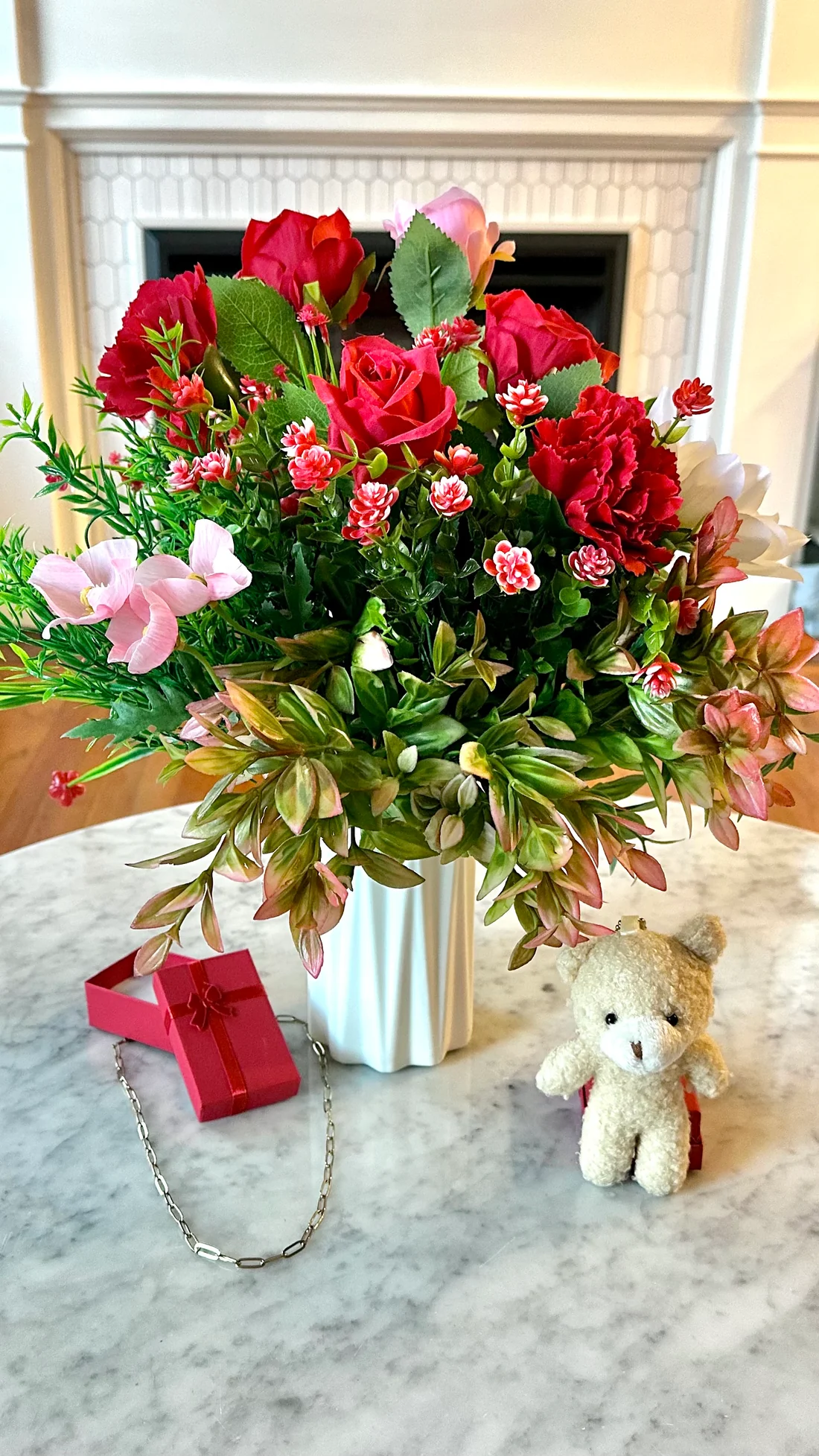
Wholesale Floral Decor: The Complete Guide for Florists, Event Planners & Retailers
Wholesale floral décor has become the backbone of professional floral design, event styling, and retail merchandising. Whether you run a busy flower shop, plan weddings and corporate events, or stock a home décor store, buying floral materials in bulk delivers better pricing, greater variety, and the flexibility to create standout designs at scale. This guide explores what wholesale floral décor includes, why it matters, current trends, how to choose the right suppliers, and practical tips to maximize your investment. Wholesale floral décor
What Is Wholesale Floral Decor?
Wholesale floral décor refers to flowers, greenery, dried and preserved botanicals, artificial stems, containers, tools, and related accessories sold in bulk quantities at trade prices. Unlike retail purchases, wholesale buying is typically reserved for businesses and professionals who can meet minimum order requirements and often need a tax ID or resale certificate.
The category covers a wide range of products:
- Fresh-cut flowers and seasonal blooms
- Dried and preserved flowers (including popular seed pods and grasses)
- High-quality artificial and silk flowers
- Greenery, fillers, and foliage
- Vases, vessels, foam, tape, wire, and design tools
- Ribbon, wraps, and packaging
- Pre-made elements such as garlands, wreaths, and modular flower wall panels
Buying wholesale allows professionals to source the volume needed for large installations while controlling costs and maintaining consistent quality across multiple projects.
Key Benefits of Buying Wholesale Floral Decor
The advantages of wholesale purchasing go far beyond simple price reductions.
Significant cost savings
Bulk pricing typically reduces the per-stem or per-unit cost by 40–70% compared with retail. For a wedding requiring hundreds of stems or an event needing multiple large installations, these savings quickly add up and improve profit margins or free budget for other design elements.
Greater selection and consistency
Wholesale suppliers stock a much broader range of varieties, colors, and sizes than most retail outlets. This makes it easier to match specific color palettes, secure rare or seasonal blooms, and maintain uniformity across large orders.
Fresher product (for cut flowers)
Many wholesalers ship directly from farms or maintain optimal cold-chain logistics. Shorter supply chains mean flowers arrive in better condition and last longer in arrangements.
Scalability for events and retail
Large weddings, corporate galas, hotel installations, and seasonal retail displays demand volume. Wholesale purchasing ensures you can meet those demands without scrambling for last-minute stock or paying premium retail rates. Wholesale floral décor
Sustainability advantages
Ordering in larger quantities often reduces packaging waste and the number of individual shipments. Many modern wholesalers also prioritize farms with better environmental practices, locally grown options, and reusable or biodegradable materials.
Popular Categories in Wholesale Floral Decor
Successful buyers typically mix several product types depending on the project:
- Fresh flowers remain essential for weddings and high-end events. Roses, peonies, hydrangeas, ranunculus, and seasonal specialty blooms form the core of many designs.
- Dried and preserved botanicals have surged in popularity. They offer longevity, texture, and a natural aesthetic that pairs beautifully with fresh materials. Seed pods, grasses, and preserved roses are especially versatile.
- Artificial and silk flowers provide year-round reliability, color consistency, and zero waste. Advances in materials have made high-end artificial stems remarkably realistic.
- Greenery and fillers create volume and movement while keeping costs manageable.
- Hard goods — vases, containers, foam, tools, and mechanics — complete the professional toolkit and often deliver some of the highest margins.
Current Trends Shaping Wholesale Floral Decor in 2026
Floral design continues to evolve toward more intentional, nature-connected, and architecturally aware styles. Key directions include:
Architectural and sculptural installations
Designers are treating arrangements as three-dimensional structures that use negative space, height, and movement. Tall, vertical elements and free-flowing forms are replacing dense, traditional bouquets.
Organic, garden-inspired aesthetics
Asymmetrical designs, meadow-style plantings, and a mix of fresh and dried materials create a collected-from-nature feeling that feels both romantic and contemporary.
Sustainability as standard
Clients increasingly expect seasonal, locally sourced, or low-waste options. Reusable installations, potted plants, and high-quality dried materials are in strong demand.
Soft neutrals with bold accents
Calming stone and earth tones form the foundation, while saturated pops of paprika, cobalt, marigold, or mulberry add energy. Matte finishes dominate vessels and containers for a refined, modern look.
Modular and immersive experiences
Flower walls, hanging installations, and ceiling treatments remain popular for photo-worthy event moments. Wholesale modular panels and high-quality artificial options make these large-scale looks more accessible.
Biophilic and warm minimalism influences
Designers are incorporating more greenery and natural textures to create calm, restorative environments that still feel curated and intentional.
How to Choose a Reliable Wholesale Supplier
Not all wholesalers deliver the same quality or service. Consider these factors:
- Quality consistency — Ask about sourcing practices, cold-chain handling (for fresh flowers), and quality control processes. Request samples when possible.
- Minimum order quantities and pricing tiers — Ensure the MOQ fits your business size and that volume discounts reward larger or repeat orders.
- Reliability and logistics — Check delivery times, packaging standards, and how the supplier handles seasonal peaks.
- Range and specialization — Some suppliers excel in fresh flowers, others in dried botanicals or artificial décor. Match the supplier’s strengths to your needs.
- Sustainability credentials — Look for transparent information about farm practices, packaging, and certifications.
- Customer service and support — Responsive communication, clear policies on damaged goods, and knowledgeable staff make a significant difference during busy seasons.
Building relationships with two or three trusted suppliers provides flexibility and backup options.
Practical Tips for Maximizing Value
- Plan orders around peak seasons and book early for popular varieties.
- Track inventory carefully to avoid overstocking perishable items.
- Combine fresh, dried, and artificial elements to extend the life and visual interest of installations.
- Invest in proper storage: coolers for fresh flowers, dry climate-controlled space for dried and artificial materials.
- Educate your team on conditioning and handling techniques to reduce waste.
- Experiment with smaller test orders of new products before committing to large volumes.
Conclusion
Wholesale floral décor empowers florists, event planners, and retailers to deliver beautiful, professional results while protecting their bottom line. By understanding the range of available products, staying aligned with current design trends, and partnering with reliable suppliers, businesses can create memorable experiences and profitable designs year after year.
Whether you are sourcing bulk stems for a destination wedding, stocking dried botanicals for everyday retail, or building large-scale installations, wholesale purchasing remains one of the smartest strategies in the floral industry. Evaluate your current supply chain, explore new categories that match 2026 trends, and invest in the relationships and systems that will support consistent quality and creative freedom.
The right wholesale approach turns floral décor from a cost center into a powerful driver of both artistry and profitability.